Infrastructure
The Shifting Foundations of Melbourne's Rail Ambition
New projections for the Suburban Rail Loop signal significant fiscal recalibrations for Victoria's long-term infrastructure agenda.
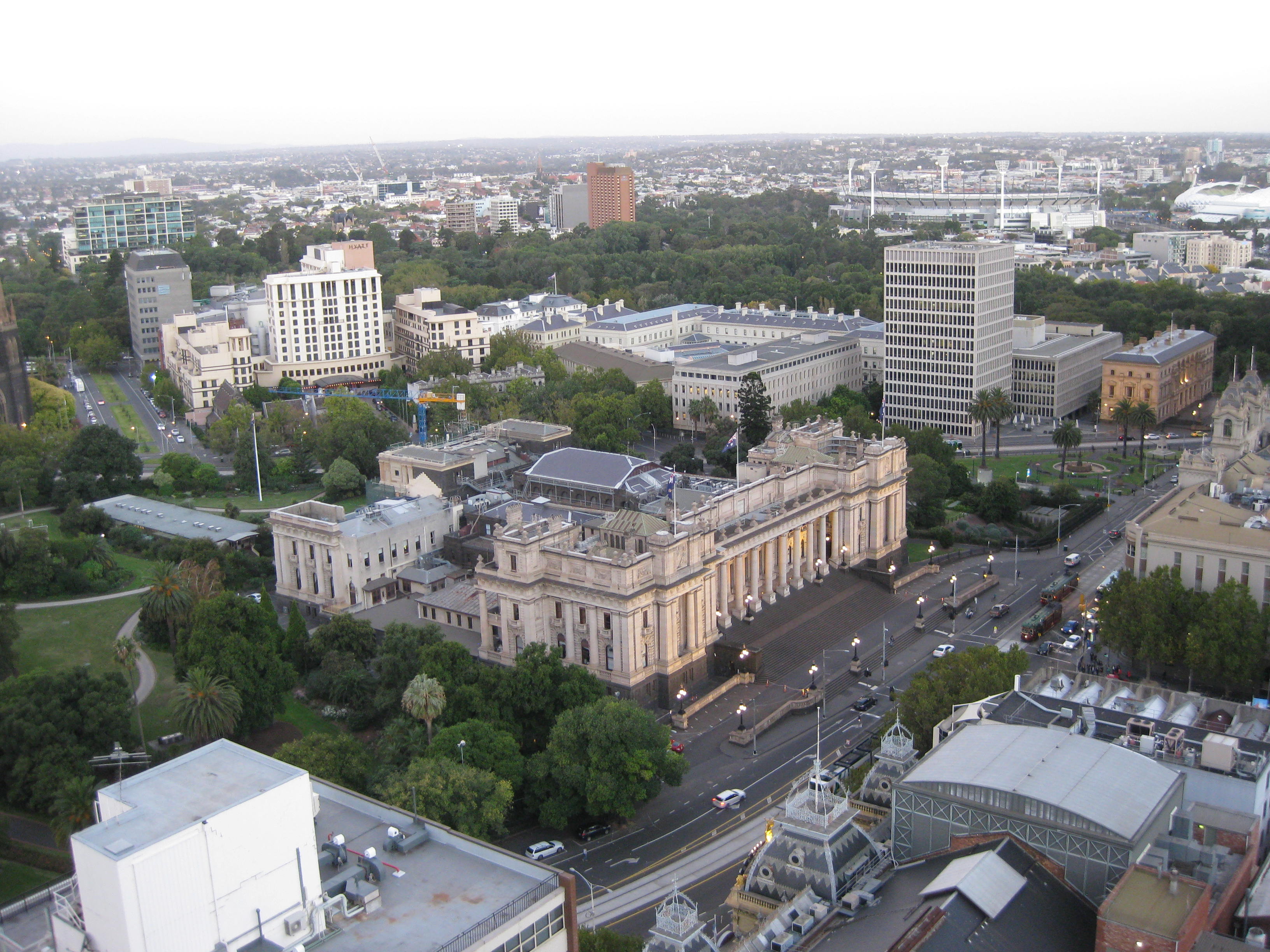
The economic landscape of major infrastructure projects in Victoria has once again drawn scrutiny, with recent government disclosures shedding new light on the projected costs and timelines for the Suburban Rail Loop. This revised modelling presents a considerable departure from initial estimates, necessitating a careful examination of its implications for the state's fiscal health and its capacity to fund future critical works.
Originally conceived as a transformative undertaking, the Suburban Rail Loop has consistently been presented as an indispensable component of Melbourne's future urban development. The project aims to connect key activity centres across the metropolitan area, reducing travel times and decentralising the city's transport network. Such an ambitious endeavour, however, carries with it an inherent susceptibility to escalating costs and protracted delivery schedules, a pattern observable in major public works both domestically and internationally.
The most recent government papers detail a significant increase in the anticipated financial outlay for the project's initial eastern section, SRL East. While specific figures are subject to ongoing refinement, the trajectory indicates a substantial uplift from the estimates that underpinned the project's inception. These revisions are attributed to a confluence of factors, including inflationary pressures impacting material and labour costs, supply chain complexities, and refined geotechnical assessments that have altered construction methodologies. Such re-evaluations are not uncommon in projects of this magnitude, yet their cumulative effect demands rigorous budgetary scrutiny.
Fiscal Recalibration and State Debt
The immediate consequence of these revised cost projections is a heightened pressure on the state's budget. Victoria's fiscal position has already been subject to considerable strain in recent years, largely due to the economic impacts of global events and substantial public expenditure on various critical services and infrastructure. An increase in the Suburban Rail Loop's estimated cost translates directly into an augmented borrowing requirement, further contributing to the state's burgeoning debt portfolio. The intergenerational equity implications of this trajectory warrant careful consideration.
Treasury forecasts have consistently highlighted the need for fiscal discipline to ensure the state's long-term financial sustainability. The additional expenditure on the Suburban Rail Loop will necessitate difficult choices in other areas of public spending. Funds that might otherwise have been allocated to health, education, or other regional infrastructure projects may now be absorbed by the expanding demands of this singular undertaking. This is not merely a question of reordering priorities; it involves a fundamental recalculation of the state's financial capacity.
The extended timeline for project completion, also noted in the updated modelling, compounds these financial challenges. A longer construction period not only defers the economic benefits intended from the project's operation, but also increases the exposure to unforeseen costs, such as further inflationary surges or unexpected site-specific complications. The Auditor-General's office has frequently stressed the importance of realistic project scheduling and transparent cost reporting to mitigate such risks.
Implications for Future Infrastructure Spending
Beyond the immediate budgetary impact, the revised Suburban Rail Loop estimates carry significant implications for Victoria's broader infrastructure pipeline. The scale of this project, now further expanded in cost, risks crowding out other vital infrastructure investments. The state's capacity to undertake new major projects, particularly those not yet committed, may be severely constrained by the ongoing financial demands of the Suburban Rail Loop.
Government agencies and independent economic commentators have previously advocated for a diversified portfolio of infrastructure investments to support balanced growth across metropolitan and regional areas. A disproportionate allocation of capital towards one mega-project, particularly one experiencing significant cost escalation, limits the scope for other projects that might offer a more immediate or geographically dispersed economic return. This calls for a re-evaluation of the state's overall infrastructure strategy, ensuring a balanced approach that serves the diverse needs of all Victorians.
The integrity of public confidence in government's capacity to deliver major projects on budget and on schedule is also at stake. Consistent revisions upwards in cost estimates, while sometimes unavoidable, erode public trust and can lead to increased skepticism regarding future proposals. Transparency in reporting and a clear articulation of the reasons behind these changes are paramount to maintaining a robust democratic process and informed public discourse.
In conclusion, the updated modelling for the Suburban Rail Loop necessitates a sober assessment of Victoria's fiscal parameters and its long-term infrastructure ambitions. The state faces a considerable challenge in managing these escalating costs whilst endeavouring to maintain its broader economic stability and deliver on other critical public services. The decisions made regarding the financing and sequencing of this monumental project will define much of Victoria's economic landscape for decades to come, underscoring the imperative for prudent financial stewardship and transparent governance.
Dedicated to a Stronger Victoria.
A message from the editor, October
Every story here is free to read. Only readers keep it that way.
We take no government money, run no paywall, and answer to nobody in Spring Street. That independence is paid for by a small number of readers, not the many who benefit from it. If just one in a hundred of today's readers gave $8 a month, our Victorian politics coverage would be funded for the year.
- Funds reporting, not shareholders
- Cancel in one click, anytime
- Supporter badge and reply access
Prefer a one-off? Send a tip. It takes about twenty seconds.