World
New evidence shows twenty-somethings face tougher conditions
A report highlights the growing economic and social challenges confronting young adults in their twenties compared to previous generations.
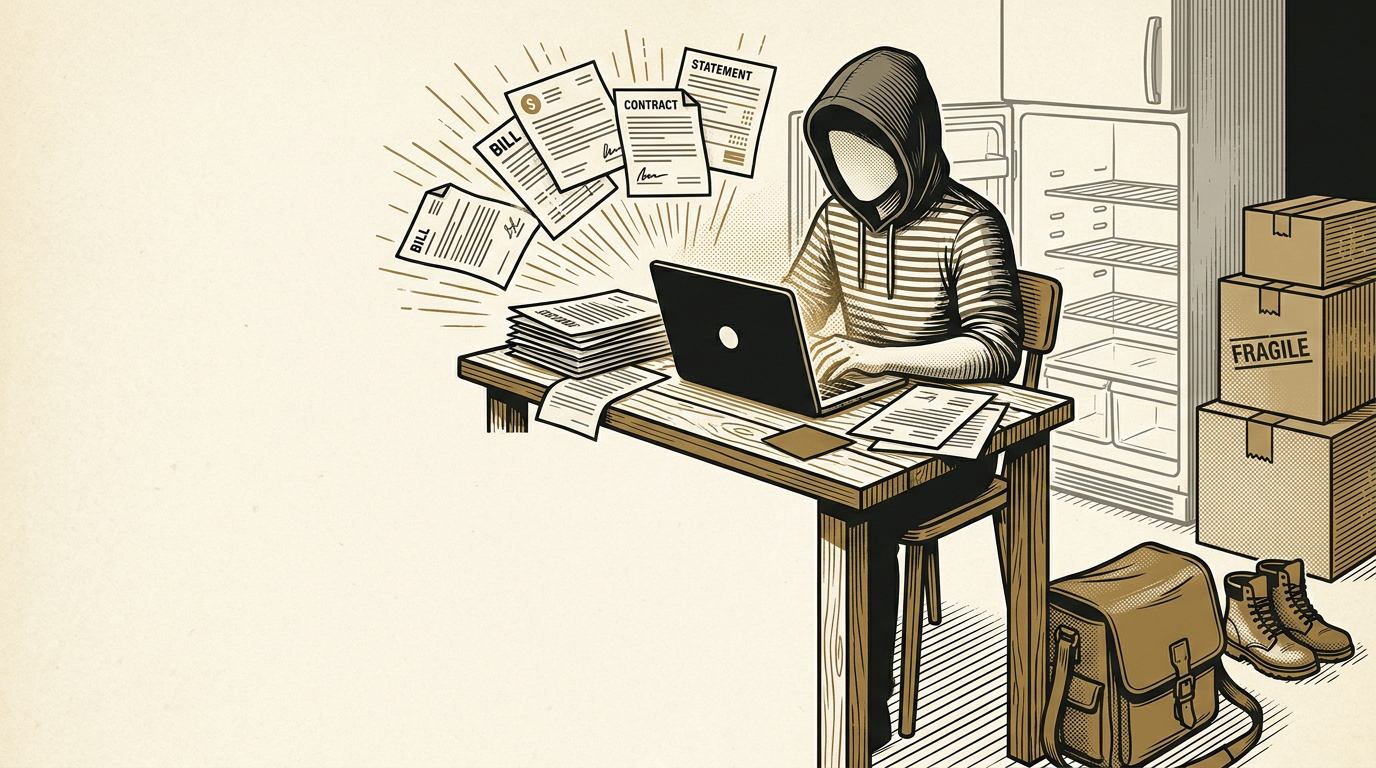
A new analysis has highlighted the growing economic and social challenges confronting young adults, suggesting that people currently in their twenties face significantly tougher circumstances than previous generations. The findings come amid a prolonged period of global financial uncertainty, which has disproportionately affected those entering the workforce.
According to reporting by the BBC, emerging evidence supports the widespread sentiment that today's youth are experiencing worse outcomes across key indicators of well-being and financial security. While the complete sociological dataset and specific geographic breakdowns remain under review, the preliminary findings reflect a worsening outlook for young people globally.
At this stage, the specific metrics utilised in the study, such as housing affordability ratios, employment security, debt loads, and real wage growth, have not been fully itemised. It is also not yet confirmed how much national variation exists between regions such as Australia, Europe, and North America, though broader macroeconomic pressures are understood to be consistent across developed economies.
Historically, younger generations have expected to achieve higher living standards than their parents. However, researchers and policy analysts have frequently pointed to rising living costs, stagnant wages, and the long-term economic fallout of global disruptions as primary factors behind the reversal of this trend. The precise extent to which these forces have uniquely disadvantaged the current cohort of twenty-somethings compared to their predecessors is still being quantified by international observers.
Further details regarding the methodology of the analysis and the specific demographic cohorts surveyed are expected to be released as the research is discussed in broader policy forums.
Watch for the publication of the complete data series to see how the financial trajectory of young Australians compares to their peers in other OECD nations.
This report draws on original reporting by BBC.
Dedicated to a Stronger Victoria.
A message from the editor, October
Every story here is free to read. Only readers keep it that way.
We take no government money, run no paywall, and answer to nobody in Spring Street. That independence is paid for by a small number of readers, not the many who benefit from it. If just one in a hundred of today's readers gave $8 a month, our Victorian politics coverage would be funded for the year.
- Funds reporting, not shareholders
- Cancel in one click, anytime
- Supporter badge and reply access
Prefer a one-off? Send a tip. It takes about twenty seconds.