Australia
James Webb Telescope data clarifies Neptune moon system
New data from the James Webb Space Telescope may finally explain the mysterious formation of Neptune's unusual moon and ring system.
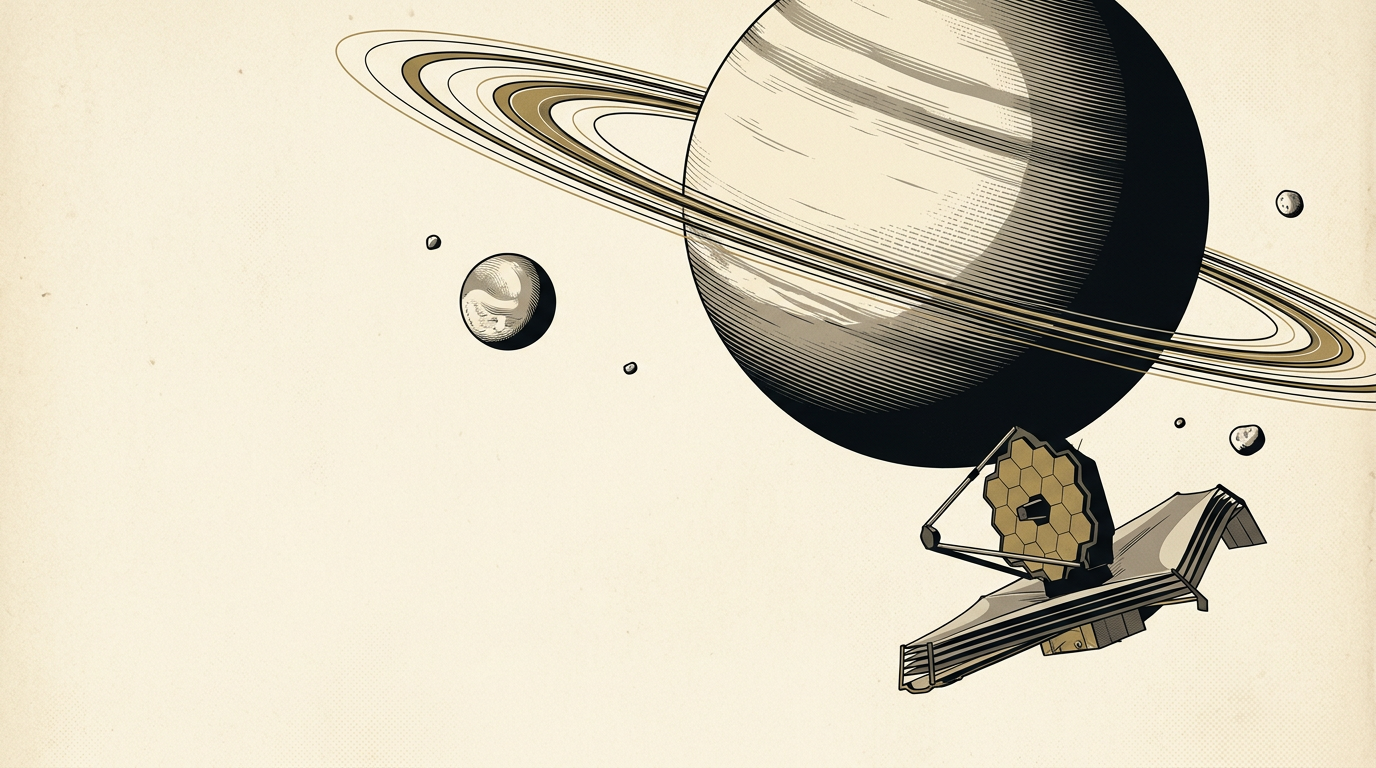
Astronomers may be closer to understanding the unusual characteristics of Neptune and its surrounding moons, following new observations from the James Webb Space Telescope. The planet's complex system of satellites and rings has remained a scientific mystery for several decades, but researchers believe recent data could finally clarify how the structures were established.
According to a wire report, the latest information gathered by the space telescope is helping to explain the origins of the distant celestial bodies. For years, the unusual orbital patterns and characteristics of Neptune's moons have challenged existing astronomical models, leaving researchers without a definitive explanation for their formation.
The precise details of the telescope's findings, including specific data points and the exact mechanism of the system's formation, have not yet been fully detailed in initial reports. It remains unconfirmed which specific moons are the primary focus of the new analysis, or how these findings might alter current theories about the outer solar system.
Historically, Neptune's moon system has been classified as highly anomalous compared to other gas giants. The planet's rings and the irregular orbits of its satellites have suggested a violent or highly unusual history, though concrete evidence to support these theories has been limited by the vast distance from Earth.
Scientists expect that the high-resolution infrared capabilities of the James Webb Space Telescope will continue to capture clearer images and spectroscopic data from the edge of the solar system. This information is anticipated to undergo rigorous peer review as astronomers work to verify the preliminary observations.
Watch for the publication of peer-reviewed research papers detailing the specific spectroscopic data and orbital models derived from the James Webb Space Telescope's observations of Neptune.
This report draws on original reporting by Wire report.
Dedicated to a Stronger Victoria.
A message from the editor, September
Every story here is free to read. Only readers keep it that way.
We take no government money, run no paywall, and answer to nobody in Spring Street. That independence is paid for by a small number of readers, not the many who benefit from it. If just one in a hundred of today's readers gave $8 a month, our Victorian politics coverage would be funded for the year.
- Funds reporting, not shareholders
- Cancel in one click, anytime
- Supporter badge and reply access
Prefer a one-off? Send a tip. It takes about twenty seconds.