World
Global trade routes face scrutiny as shipping chokepoints highlighted
A new analysis by SBS details the critical maritime passages that control the flow of global trade and international commerce.
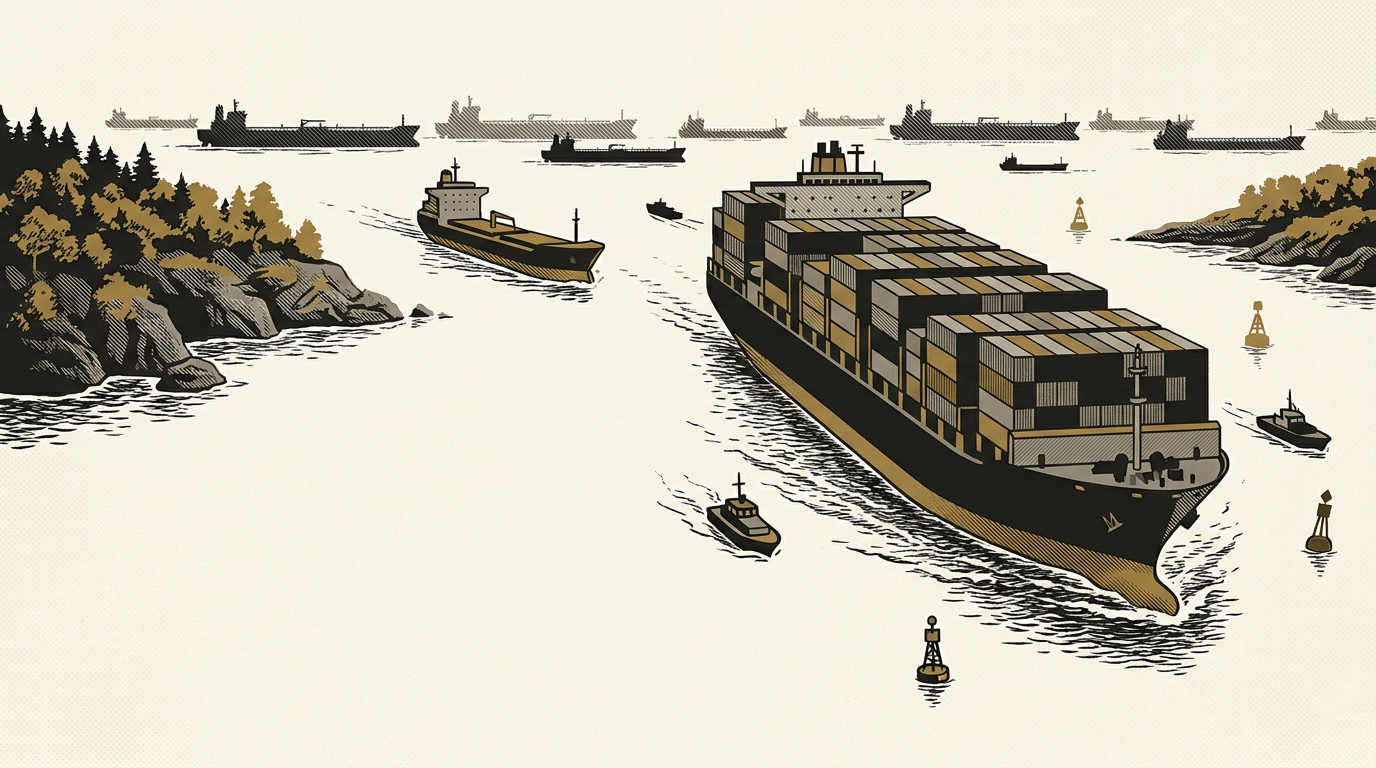
International maritime trade remains highly dependent on a small number of critical waterways, exposing the global economy to significant supply chain vulnerabilities. A new analytical guide published by SBS has highlighted these vital transit corridors, detailing how narrow oceanic passages govern the flow of international commerce.
According to the reporting by SBS, these shipping chokepoints are geographic bottlenecks that carry a disproportionate amount of the world's maritime traffic. Any disruption at these locations can trigger severe delays, increase shipping costs, and cause immediate economic consequences across multiple continents.
While the detailed breakdowns of individual locations continue to be analysed by international observers, several critical passages are central to global shipping security. These include the Strait of Malacca in Southeast Asia, which connects the Indian and Pacific Oceans, and the Suez Canal, a vital artificial waterway linking Europe to Asia. Additionally, the Panama Canal remains a crucial link between the Atlantic and Pacific, while the congested Strait of Hormuz controls much of the world's petroleum exports.
The vulnerability of these channels has become increasingly evident in recent years. Incidents such as structural blockages, regional conflicts, and fluctuating water levels due to changing weather patterns have all demonstrated the fragility of the international trading network. Because alternative routes around these bottlenecks often add thousands of kilometres and weeks of travel time, shipping firms frequently have no choice but to navigate these high-risk areas.
It remains unconfirmed how international regulatory bodies intend to coordinate long-term protection strategies for these disputed waterways. Observers will be watching to see how global shipping alliances adjust their transit routes in response to escalating geopolitical tensions in these highly sensitive maritime corridors.
This report draws on original reporting by SBS.
Dedicated to a Stronger Victoria.
A message from the editor, September
Every story here is free to read. Only readers keep it that way.
We take no government money, run no paywall, and answer to nobody in Spring Street. That independence is paid for by a small number of readers, not the many who benefit from it. If just one in a hundred of today's readers gave $8 a month, our Victorian politics coverage would be funded for the year.
- Funds reporting, not shareholders
- Cancel in one click, anytime
- Supporter badge and reply access
Prefer a one-off? Send a tip. It takes about twenty seconds.